Blog
Digital file delivery: what your platform should actually do
If you sell ebooks, courses, software, or any downloadable file, the platform that hands those files to your buyers does more work than most people realise. Here's what a modern digital file delivery platform should do in 2026, and where the older tools fall short.

If you sell ebooks, courses, software, music, or any other downloadable file, the platform that hands those files to your buyers is doing a lot more work than most people realise. It runs the checkout, talks to your payment processor, protects your files from being passed around, and keeps a record of every download in case something goes wrong.
When that platform is good, you barely think about it. When it isn't, you spend your weekend resending download links, chasing PayPal disputes, and wondering why your refund rate keeps creeping up. The gap between those two experiences is much wider than it used to be, because digital file delivery has quietly grown up over the last few years.
This post walks through what a current digital file delivery platform should do for you in 2026, what to look for when you compare options, and where SendOwl fits into the picture.
What digital file delivery actually covers
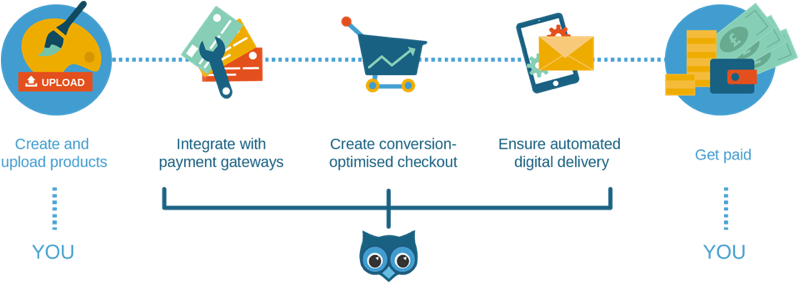
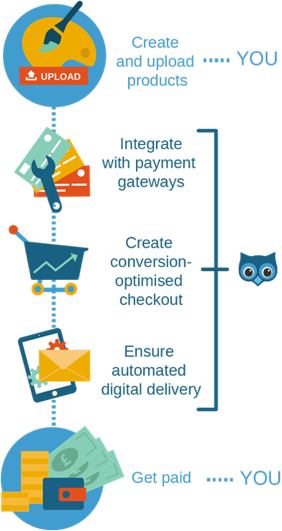
A digital file delivery platform sits between your buyer and your file. Three jobs sit at the core:
- Connecting to a payment processor so you can take money.
- Hosting a checkout so the buyer can complete the purchase.
- Delivering the file securely, automatically, and on terms you control.
Everything else (analytics, marketing tools, fraud screening, tax handling) sits on top of those three. If a platform is shaky on any of the core three, no amount of extra features will save you.
Payment processing
Most delivery platforms don't process payments themselves. They plug into Stripe, PayPal, Apple Pay, Google Pay, and similar services. You sign up with the processors you want to support, connect them to your delivery platform, and the platform handles the handoff.
Two things to check here. First, can the platform support more than one processor at the same time? Some buyers will only pay with PayPal. Others will only pay with a card. Offering both lifts conversion meaningfully. Second, is the platform a true facilitator or a reseller of your product? Resellers take a different legal position and usually a much larger cut. SendOwl is a facilitator, which means your products stay yours.
A checkout that doesn't lose buyers
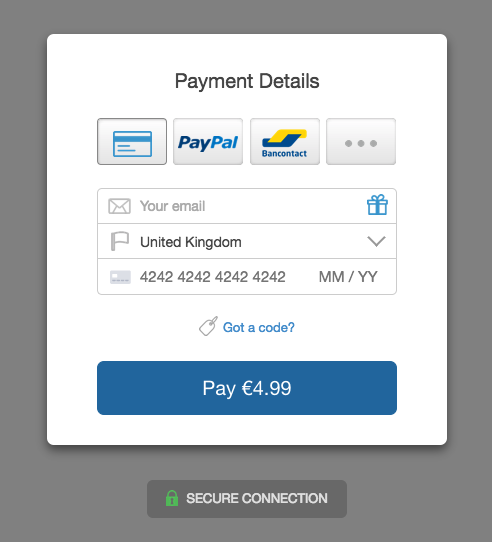
Your checkout is where intent turns into revenue, or doesn't. Look for one that is mobile-first, multi-currency, and short. Asking for a postal address on a $9 PDF is the fastest way to lose the sale.
A good checkout should also be customisable enough to feel like part of your brand, support trust signals like badges and reviews, and let buyers choose how they want to pay without hunting for the option.
Linking the checkout to wherever you sell
You won't always sell from one tidy product page. Sometimes the link goes in a newsletter, a YouTube description, a Threads post, or a podcast show notes block. The platform should give you both options:
- Buy now buttons you can drop on your site or blog.
- Hosted checkout links you can paste anywhere.
Buy now flows convert better when you're sending traffic from a single piece of content (a free chapter, a pricing comparison, a podcast). Add to cart flows make sense when buyers might pick up multiple products in one visit. The right platform lets you choose per product instead of forcing one pattern on everything.
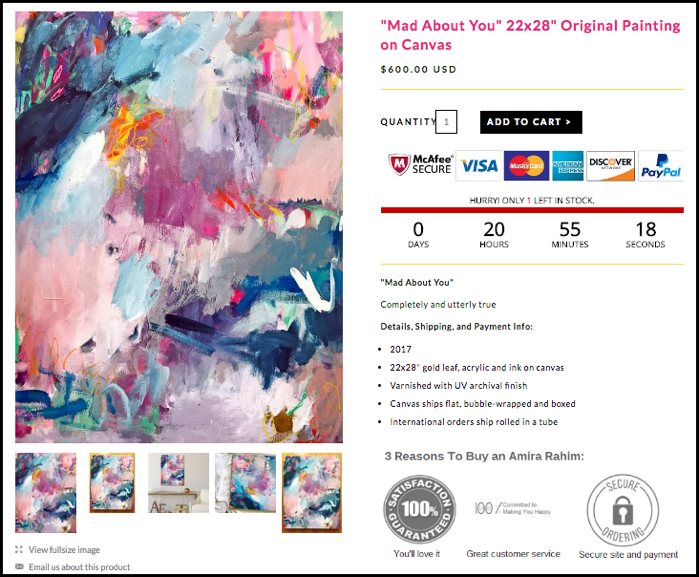
Artist Amira Rahim sells multiple digital products and uses add to cart flows to lift average order value.
Secure delivery is the part most platforms get wrong
Once a buyer pays, the file needs to get to them quickly, and stay where it belongs. This is where older delivery tools fall down and where the modern feature set really matters.
A current platform should give you, at minimum:
- Instant download links the buyer sees the moment payment clears, plus a backup email with the same link.
- Time-limited links that expire after a set window so a forwarded URL goes stale.
- Download attempt caps so a single buyer can't seed a torrent off your link.
- IP-bound downloads that tie a link to the buyer's network so it can't be passed around.
- PDF stamping that prints the buyer's name and email inside every page of the PDF, which kills casual sharing without locking out the legitimate buyer.
- Video streaming for course content so the file never lands on the buyer's device at all.
- License keys for software so each install is tied to a real purchase.
These features are how SendOwl's secure download system works today, and they matter more than they used to. Sharing is easier in 2026 than it was five years ago, and the platforms that haven't kept up leak revenue every month their sellers don't notice.
A second reason secure delivery matters: chargeback defence. When a buyer files a PayPal dispute claiming they never received their product, your delivery platform's logs are the evidence that wins the case. We covered this in detail in our guide to PayPal seller protection for digital products, but the short version is that timestamped delivery records and download confirmations turn most "I didn't get it" disputes into easy wins.
Setup should take an afternoon, not a weekend
If you have to install an app, configure DNS, hire a developer, or sit through a sales call to start selling, the platform is asking too much. A good delivery tool should let you upload a file, connect a processor, and have a working buy link inside an afternoon.
Look for a free trial that actually lets you sell, not a demo that hides the real interface. The platforms that are easy to evaluate tend to be easy to use.
A dashboard you can actually run a business from
You'll be in the dashboard most days once sales pick up: adding products, checking orders, pulling reports, refunding the occasional buyer, fixing a typo in a product description. The dashboard should work on mobile, load fast, and not need a help article for every action.
The "can I do this without thinking" test is a good one. If you have to look up how to issue a refund every time, the dashboard isn't doing its job.
Reporting that helps you make decisions
Sales totals are table stakes. The reporting that actually moves a business forward shows you:
- Average order value over time, broken down by product.
- Conversion rate from checkout view to completed purchase.
- Revenue from upsells, order bumps, and gifting separately from base sales.
- Refund and chargeback rates per product so you can spot a problem product before it eats your margin.
- Subscription MRR, churn, and projected revenue if you sell recurring products.
- Geographic breakdown of buyers, which matters more once you start dealing with VAT and sales tax.
That last one ties directly to your tax obligations. Once you cross certain country or state thresholds, you have to register, collect, and remit. Our tax and VAT primer for digital sellers walks through what a US, UK, or EU seller needs to track. Your delivery platform should be giving you the data those obligations need without you having to export everything to a spreadsheet.
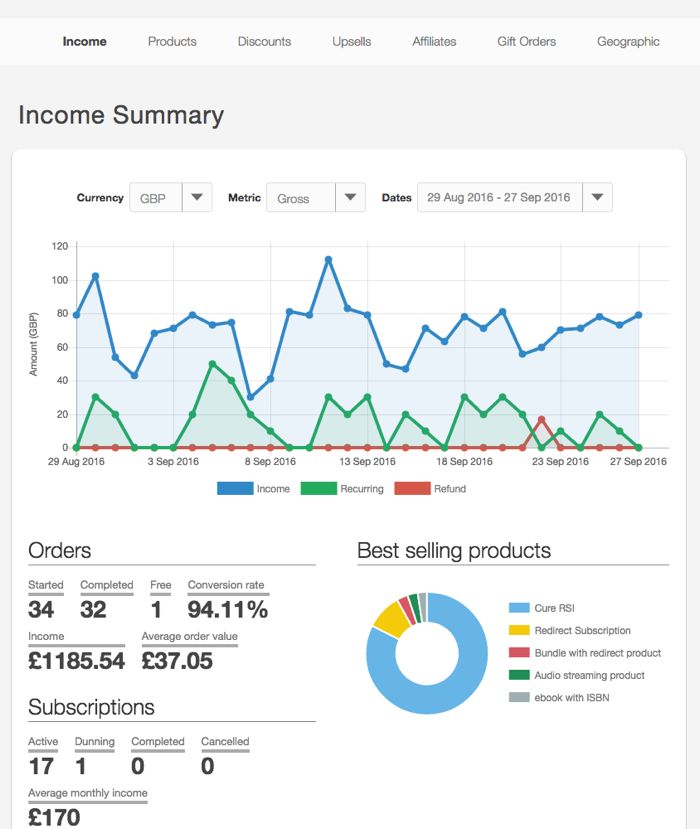
Reporting should help you spot what's working and what to fix, not just count yesterday's sales.
Support that responds before the dispute window closes
You will need help at some point. A confused buyer, a payment processor mismatch, a product that won't upload. What matters is how quickly support gets back to you, and how good the documentation is for the questions you can answer yourself.
Two practical checks before you commit to a platform:
- Search recent reviews for "support" and read the negative ones. Slow support compounds quickly when you're dealing with a refund window or a chargeback deadline.
- Read three knowledge base articles on topics you actually care about (taxes, refunds, file replacement). If they're vague or out of date, that's the help you'll be getting in a real pinch.
Fraud filtering and account security
Selling digital products attracts a particular flavour of fraud: stolen cards used to test charges, fake email addresses, repeat refund requests, mass downloads from shared accounts. A good platform helps you screen these out without making legitimate buyers jump through hoops.
Things to look for:
- Geographic and IP filtering so you can block regions you don't sell into.
- Velocity rules that flag a buyer hitting checkout ten times in a minute.
- Email and BIN screening against known fraud lists.
- Two-factor authentication on your seller account so a leaked password doesn't open the whole shop.
- A clean audit log of who logged in, what they changed, and when.
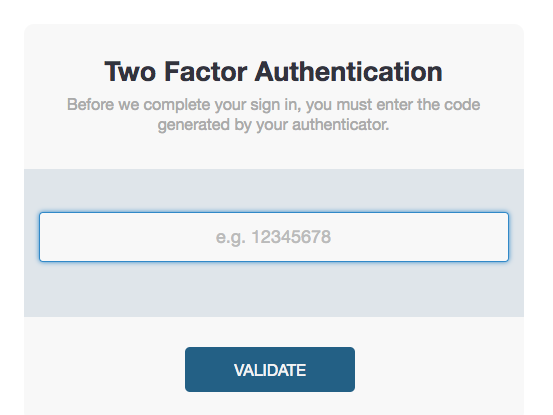
Two-factor authentication on the seller account is the single most useful security setting most sellers forget to enable.
Marketing tools built into the delivery layer
The platforms that take revenue growth seriously bake marketing tools into the same dashboard you already use for delivery. The ones worth using include:
- An affiliate program so other people can sell your product for a cut.
- Discount codes, including time-limited and audience-specific.
- Pay what you want pricing for tip-jar style products.
- Cart abandonment recovery emails for buyers who started checkout and didn't finish.
- One-click upsells and order bumps at checkout.
- Gifting flows so a buyer can purchase for someone else.
Each of these connects directly to the funnel work you're already doing. If you're not sure how those pieces fit together, our breakdown of a working sales funnel for digital products shows where each tool slots in.
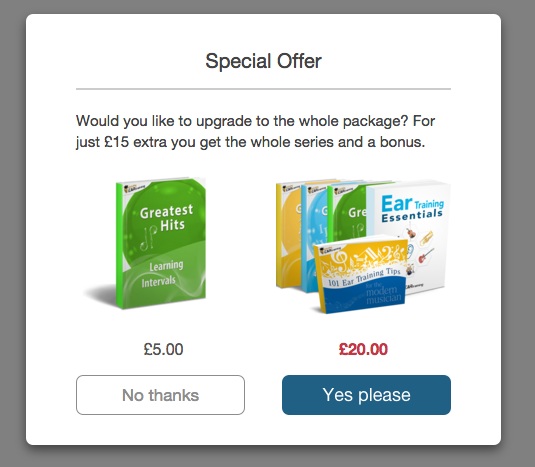
One-click upsells lift average order value without spending more on traffic.
How pricing models change the math
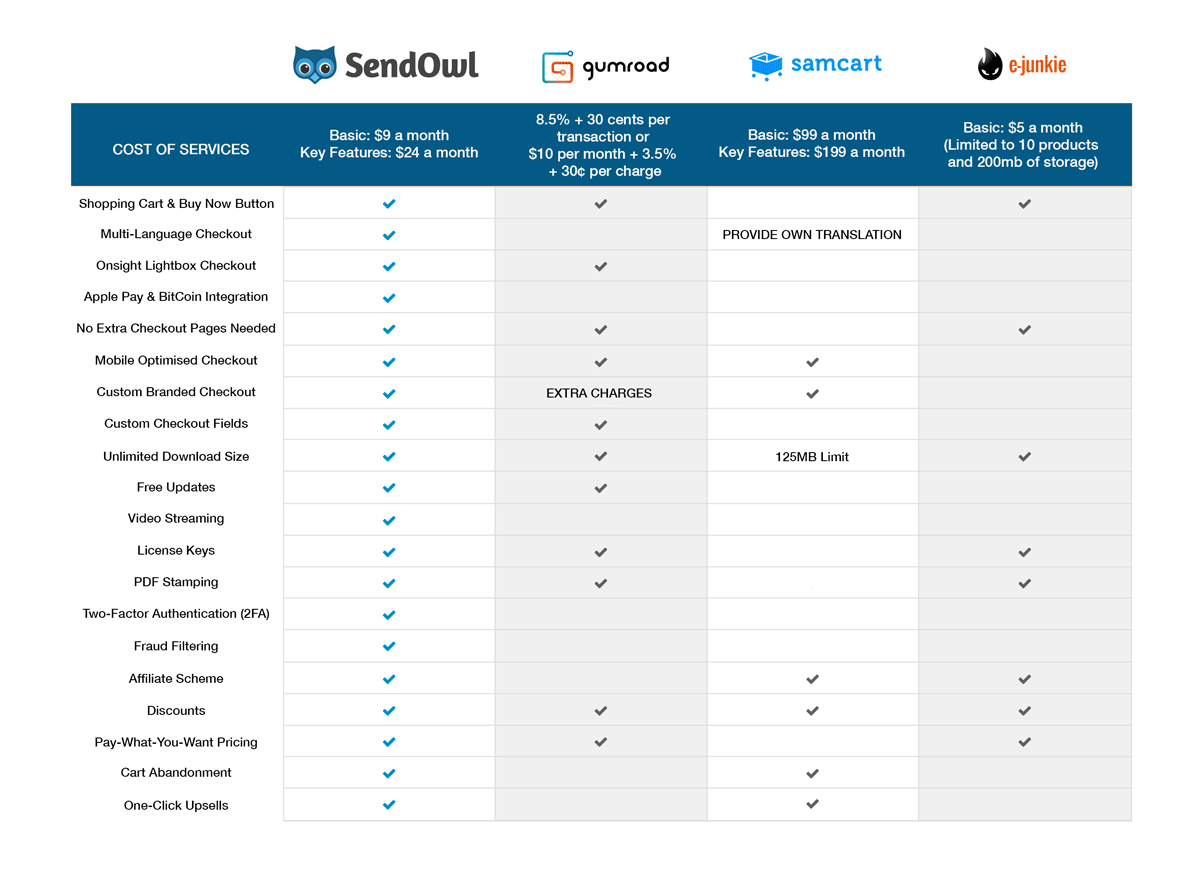
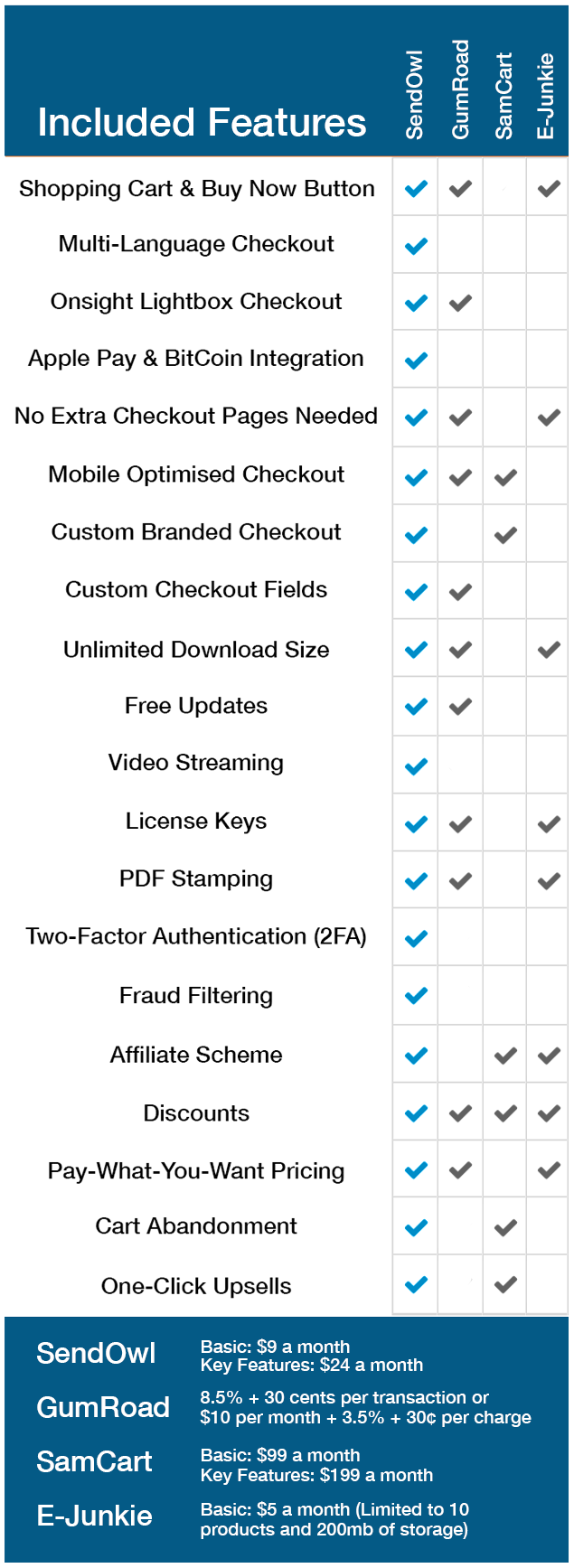
Delivery platforms tend to charge in one of two ways: a flat monthly fee, or a percentage cut of every sale.
Percentage pricing feels safer when you're starting out because there's no fixed cost. But every sale you make is permanently smaller, and the platform gets more expensive as you grow. Flat monthly pricing has a fixed floor but the marginal cost of each sale stays at zero.
The crossover point is usually lower than people think. If you're regularly clearing $200 to $300 a month in sales, flat monthly pricing is almost always cheaper, and it gets dramatically cheaper as volume grows.
What to do next
If you're picking a digital file delivery platform for the first time, work the list above in order. Cover the three core jobs first (payments, checkout, secure delivery), then look at reporting, support, fraud, and marketing. The platforms that handle the basics well are the ones still standing in two years.
If you're already selling and something on this list made you wince, that's the place to start. The biggest revenue gains for established sellers usually come from secure delivery (less leakage), checkout (less abandonment), and reporting (better decisions), in that order.
SendOwl makes selling digital files simple. Upload your products, set your prices, and share links anywhere you connect with your audience. Get started selling digital products for free today.

community
Join our newsletter for the latest tips, updates,
and exclusive offers to supercharge your digital product sales.