Blog
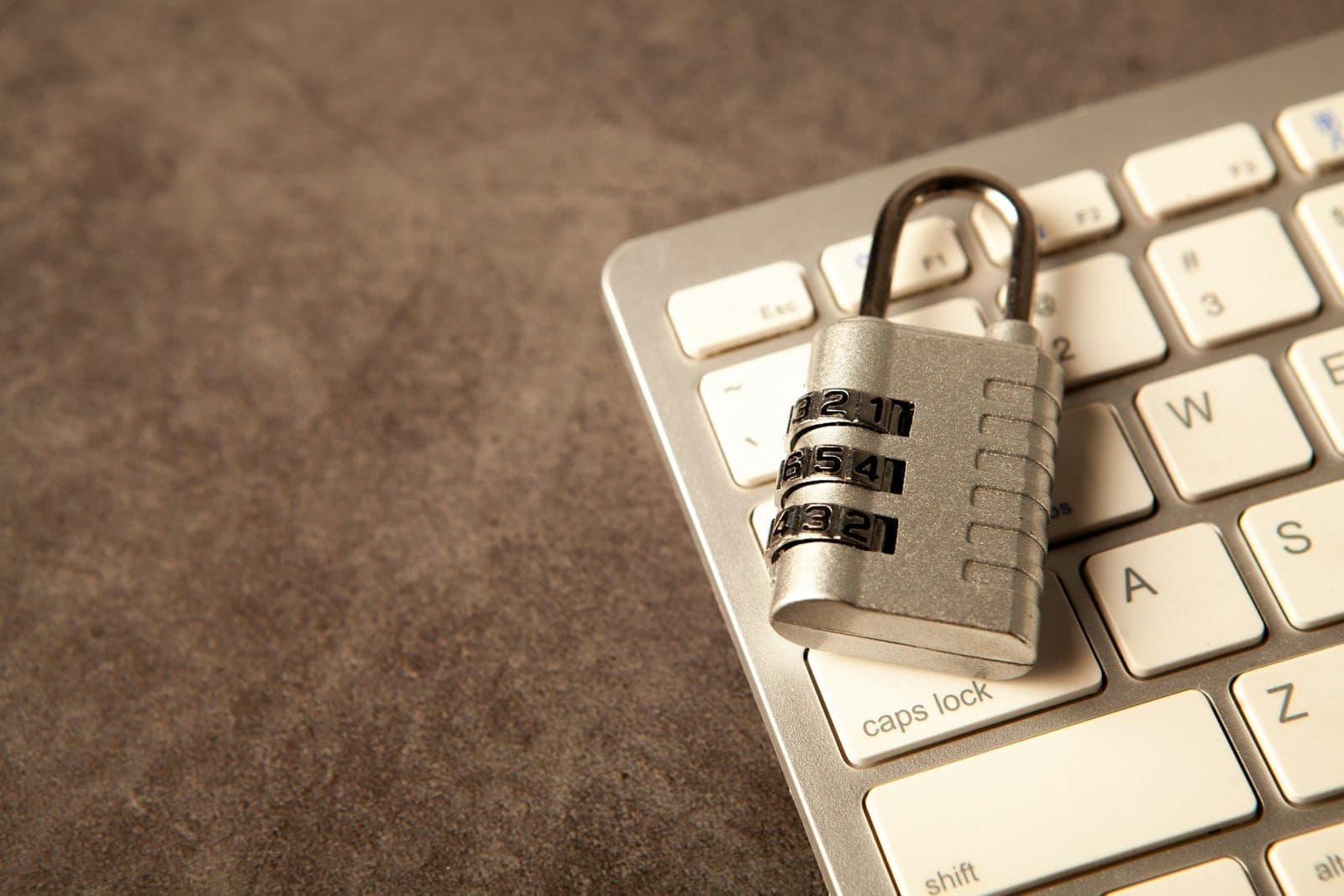
How to protect your digital products from piracy
Every digital seller runs into the same uncomfortable math at some point. Lock your product down too hard and refund rates climb because legitimate buyers can't get the file to open. Ship it wide open and a stranger uploads the whole thing the day after launch. Here is the protection stack that

Every digital seller runs into the same uncomfortable math at some point. You can spend a week locking your product down with DRM, complex licensing, and every download restriction the platform allows, then watch your refund rate climb because legitimate buyers can't get the file to open on their iPad. Or you can ship it wide open and watch a stranger upload the whole thing to a forum the day after launch.
The honest answer sits in the middle, and most sellers pick the wrong point on that line because they think of piracy as a purely technical problem. It isn't. Protecting a digital product is a trust problem with a technical layer on top, and the goal is never zero leakage. The goal is making casual sharing friction-heavy enough that it isn't worth the effort, while keeping the buying experience smooth enough that honest buyers stay honest.
This post covers the protection stack that actually works in 2026: personalized stamping, license keys, signed download URLs, DMCA takedowns, and where heavy DRM tips from "deterrent" into "the reason your buyer went looking for a torrent in the first place."

Why heavy DRM usually makes piracy worse
There's a well-documented pattern in the research on digital rights management. A 2003 HP and MIT study concluded DRM features were not effective at combating piracy, and nothing in the two decades since has overturned that finding. What changed is the consensus on why.
The mechanics are simple. If even a small number of buyers can strip the protection, the unprotected file is ubiquitous within hours. Meanwhile, the 99 percent of buyers who never intended to pirate anything are stuck with activation checks, device limits, and offline-access failures. Industry coverage consistently finds that overly rigid DRM pushes legitimate users toward pirated alternatives that simply work better.
If your protection layer makes the pirated copy feel like the premium version, you have built the wrong thing.
The deterrence stack that actually works
The protections that hold up in 2026 share a common pattern. They raise the cost of sharing for the person tempted to share, without raising the cost of reading, installing, or using for the buyer.
Per-buyer stamping (the single best PDF deterrent)
Per-buyer stamping prints the buyer's name, email, and order number into every page of the PDF at the moment of delivery. The file still opens in any reader, still prints, still copies to any device. What it stops is the decision to post the file publicly.
This is sometimes called "social DRM" and the research is consistent about it. LockLizard's breakdown of social DRM notes that a determined pirate can strip a visible watermark, but the psychological deterrent stops the casual sharer, and casual sharing accounts for the large majority of unauthorized distribution. A buyer who is about to upload a file with their own name and email on every page thinks twice.
The key is doing this per buyer, automatically, at delivery. A static watermark on the master file protects nothing. A stamp unique to each purchase gives you traceable evidence if a copy does leak. SendOwl handles this automatically on secure downloads, and it's the feature we recommend first for any PDF seller.
License keys for software
For software, fonts, and plugins, a basic license key is the equivalent of per-buyer stamping. It ties each install to a specific purchase, lets you revoke access on refund or chargeback, and produces a per-customer record you can audit later.
The mistake most sellers make is overbuilding the enforcement. A license key that phones home on every launch gets cracked within a week if your product has any audience. A key that validates once at install and then trusts the local copy is enough friction to keep honest customers honest, which is the realistic goal. We covered the implementation tradeoffs in our guide to selling codes and license keys online.
Signed, expiring download URLs
Your download links are a separate attack surface. If the URL a buyer gets after checkout is static, a forwarded email exposes your file to anyone with the link. A signed URL includes a cryptographic signature and an expiration timestamp, so the same URL stops working after a set window (commonly fifteen minutes to twenty-four hours).
AWS documents how signed CloudFront URLs work: the URL carries an expiration time and an optional IP restriction, and the CDN rejects requests that don't match. This doesn't prevent a buyer from downloading the file once. It prevents them from sharing a link that works a week later.
Combine expiring URLs with a download attempt cap (three to five downloads per purchase is standard) and the passive leakage path closes. Most modern delivery platforms handle this without configuration. If yours doesn't, that is a bigger problem than piracy itself.

Account-gated access for higher-value products
For courses, membership content, and products above the $100 mark, delivering files through an account the buyer has to log into raises the friction on sharing further. The buyer can still screen-record or download and redistribute, but passing around a username and password feels like a commitment in a way that forwarding a link does not.
Account gating pairs especially well with video content streamed through a hosted player. The file never lands on the buyer's device in a redistributable form, which removes the primary sharing path for course creators.
When DRM actually makes sense
The case for stronger DRM narrows to a few specific scenarios:
- Products with high per-unit prices (enterprise software, professional courses above $500)
- Products where a single leaked copy meaningfully damages a limited market (licensed assets, pre-release content)
- Products where the buyer expects DRM and has the infrastructure to handle it (Kindle ebooks, Steam games)
Outside those cases, the deterrence stack above does more for your revenue than encryption does. A creator selling a $29 notion template through a checkout link doesn't need hardware fingerprinting. A creator selling a $999 enterprise license probably does.
The test to apply: if the protection layer fails in the buyer's environment (a second device, a slow connection, a hotel Wi-Fi), would they refund, or would they hunt for a cracked version? If the answer is hunt, the protection is net-negative.
DMCA takedowns: your real enforcement tool
When a file does leak and ends up on a file-sharing site, DMCA takedowns are the practical enforcement mechanism. The Digital Millennium Copyright Act requires US-hosted platforms to remove infringing content once they receive a valid notice, and most international hosts respond to properly formatted requests too.
A valid notice needs five things: your contact information, identification of the copyrighted work, the URL where the infringement appears, a good-faith statement that the use is unauthorized, and your signature. You don't need a registered copyright. You don't need a lawyer. PatentPC's 2025 takedown guide and the Copyright Alliance's process overview both lay out templates you can copy.
Realistically, takedowns are a cleanup tool, not a prevention tool. A single leaked PDF ends up on twenty sites within a week, and you can't chase all of them. Focus your effort on the high-traffic sources: search results, YouTube, Reddit threads that rank for your product name, and the top two or three piracy sites that actually get traffic. The rest is rounding error.
The trust frame: build the legitimate experience people prefer
Here's the part most protection guides skip. The reason buyers stay honest isn't that piracy is hard. Piracy has never been easier. Buyers stay honest because the legitimate experience is better: instant delivery, clean files, update access, support when something breaks, and a receipt they can expense.
Every decision in your protection stack should reinforce that gap. Per-buyer stamping is fine. Hostile DRM that blocks a buyer's legitimate second device isn't, because it turns a paying customer into someone who now believes your product is worth less than the pirated version.
This is the principle the platforms that get it right have internalized. Make the buying experience better than the alternative and protect against casual sharing, and the piracy math works in your favor.
What to ship this week
If you're selling PDFs today and haven't set up per-buyer stamping, that's the single highest-leverage change. If you're selling software, a basic license key and a 14-day refund policy outperform any amount of copy protection. If you're running static download links that never expire, move to signed URLs with a download cap this week.
Everything else is optimization. Start with the deterrent layer that doesn't cost you buyers, file DMCA takedowns on the sites that matter, and spend the rest of your time making the legitimate product better. That's the protection stack that actually compounds.
SendOwl makes selling digital products simple, with per-buyer PDF stamping, license key generation, and secure expiring download links built in. Upload your files, set your prices, and share links anywhere you connect with your audience. Get started selling digital products for free today.

community
Join our newsletter for the latest tips, updates,
and exclusive offers to supercharge your digital product sales.